Hybrids and EVs in Grand Junction: Winter, Range and Charging Along I-70
Thinking about a used hybrid or electric car like the Chevy Bolt on the Western Slope? Here's how winter, hills and long I-70 drives affect range, and what to check before you buy.

 Reviewed and published by Austin Lewis and Joel SoriaLicensed salespeople in Grand Junction

We get asked about hybrids and EVs a lot, usually by someone who likes the idea but wonders how it works out here. Grand Junction is a good place to own one, with a few things worth knowing first. Here's what we tell shoppers.
Everyday driving in the Grand Valley is where EVs shine
Most days in the valley are short. You might go from Fruita to downtown, out to Palisade for peaches, or down to Delta or Montrose and back. That's easy territory for an electric car like the Chevy Bolt, a compact hatchback that runs on battery power alone. If you can plug in at home overnight, you start every morning with a full "tank."
A hybrid is a different tool. It uses gas and a small battery together, so there's nothing to plug in, and it's a comfortable fit if your week includes long, unpredictable drives.
Winter and range: plan for less
Cold weather cuts into an EV's range. The battery is less efficient when it's cold, and heating the cabin takes energy. A day on the Grand Mesa or a cold January morning will show fewer miles than a mild October afternoon. How much less depends on the car, the temperature and how you drive, so we won't give you a number.
A few habits help:
- Precondition while plugged in. Warm the car before you leave so the battery isn't doing all of that work on the road.
- Use the seat and steering wheel heaters if the car has them. They're usually gentler on range than blasting cabin heat.
- Leave a buffer. If the trip is near the car's limit on a good day, it's too far on a cold one.
- Get real winter tires. The Bolt is front-wheel drive, not AWD, so good tires matter a lot on icy side streets and snowy mornings.
Snowy days also tend to be slow ones, which can help efficiency. Highway speed in the cold is what costs the most.
Charging along I-70
The drive from Grand Junction toward Denver has long stretches, big climbs and mountain weather. Glenwood Canyon, Vail Pass and the Eisenhower Tunnel area all affect how much battery you use. Climbing eats energy, and the descents give some back through regenerative braking, but you won't get it all back.
Some things to know before an EV road trip:
- Fast chargers are not the same as home chargers. DC fast charging is what you use on the road. A used Bolt can fast charge, but you should confirm how it behaves and which connector it uses.
- Check charger status before you go. Apps like PlugShare or the car's built-in navigation show what's near your route. Stations can be busy or out of service, and the corridor keeps changing, so look at current information instead of relying on what you heard last year.
- Have a backup stop. In winter, charging can be slower in the cold and a road closure can change your plans.
- Think about the whole trip. Leaving town on a full charge and knowing where you'll stop next makes the drive feel routine.
If you often drive long distances on the interstate, a hybrid may suit you better. And if you tow a camper or boat, remember that a Bolt isn't a tow vehicle. For that, look at our Trucks for Sale or SUVs for Sale.
What to check when buying a used EV or hybrid
A used EV is a little different to shop for than a gas car. Here's what we'd look at:
- Recall history. The Bolt has had a battery-related recall. Ask us to confirm that any recall work was done, and you can also run the VIN through the federal recall lookup.
- Battery health. Ask how much range the car shows on a full charge, and compare that to what you need. A short drive won't tell you much, so plan a longer test drive.
- Charging gear. Check which cables come with it, and whether you'll want a 240-volt home charger. A standard 120-volt outlet works, but it's slow.
- Tires and brakes. EVs are heavy and quick off the line, so tires can wear faster than you'd expect.
- Heating and cooling. Make sure the heater, defroster and seat heaters all work. You'll want them from November to March.
- Service records. Records help on any used car, hybrid or not.
For hybrids, add the hybrid battery to the list and ask how the car has been maintained.
Tax credits and incentives for EVs and hybrids change and depend on the vehicle and your situation, so we won't quote any here. Ask us what's current, and check with a tax professional about your own case.
Is one right for you?
An EV can be a great fit if you charge at home, mostly drive around the valley, and take the occasional planned trip. A hybrid makes more sense if you rack up highway miles, can't plug in at home, or want less to think about in winter.
If you want to compare, you can browse every vehicle, look through our Cars and Sedans for Sale or Used Cars, Trucks & SUVs for Sale, or check the FAQ. If you'd rather talk it through, stop by or get in touch. We're happy to walk you through a test drive, and there's no pressure.
On our lot right now
Vehicles we have today that fit this.
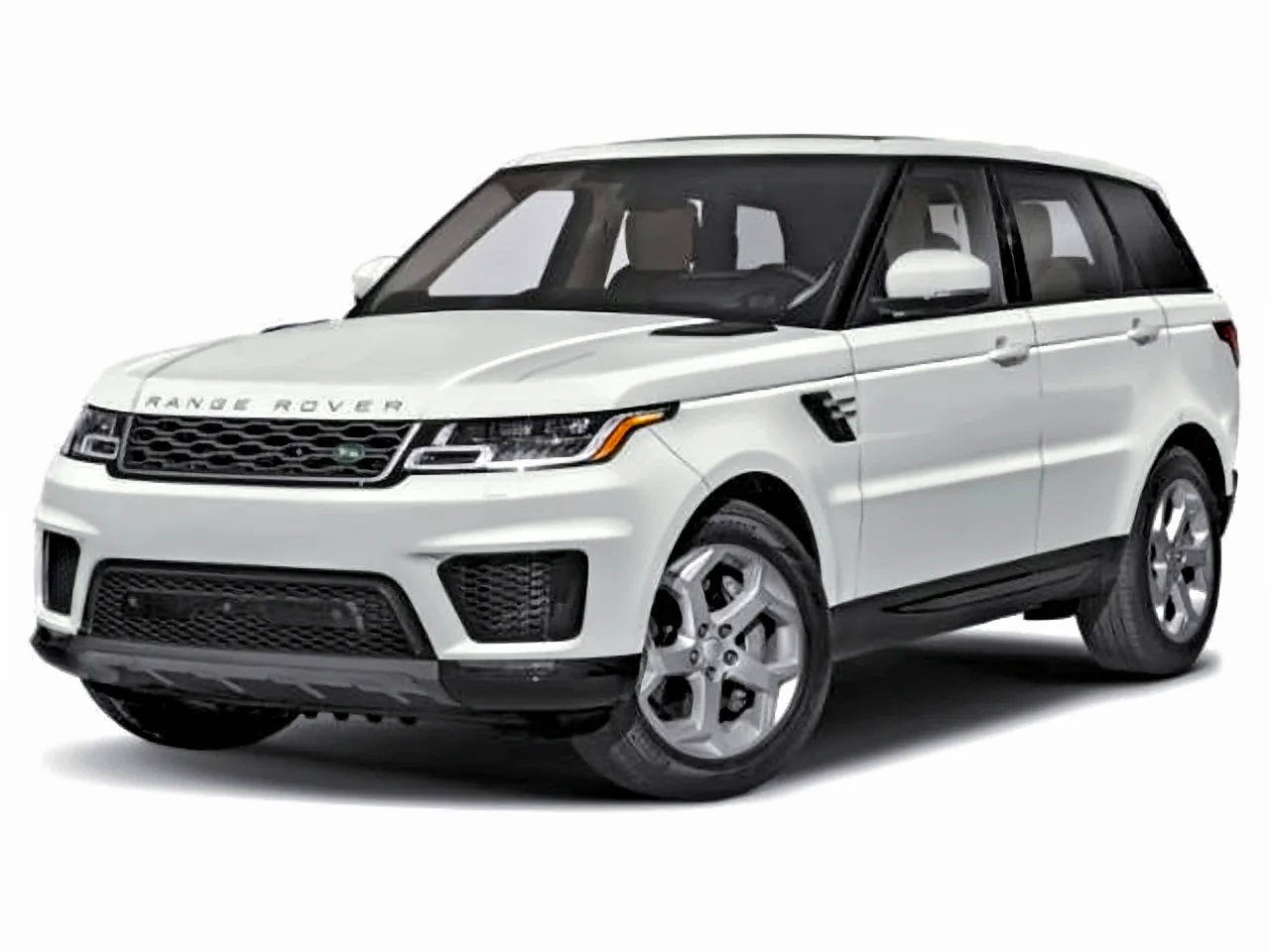
2022 Land Rover Range Rover SportStock #49477HST
 15 photos
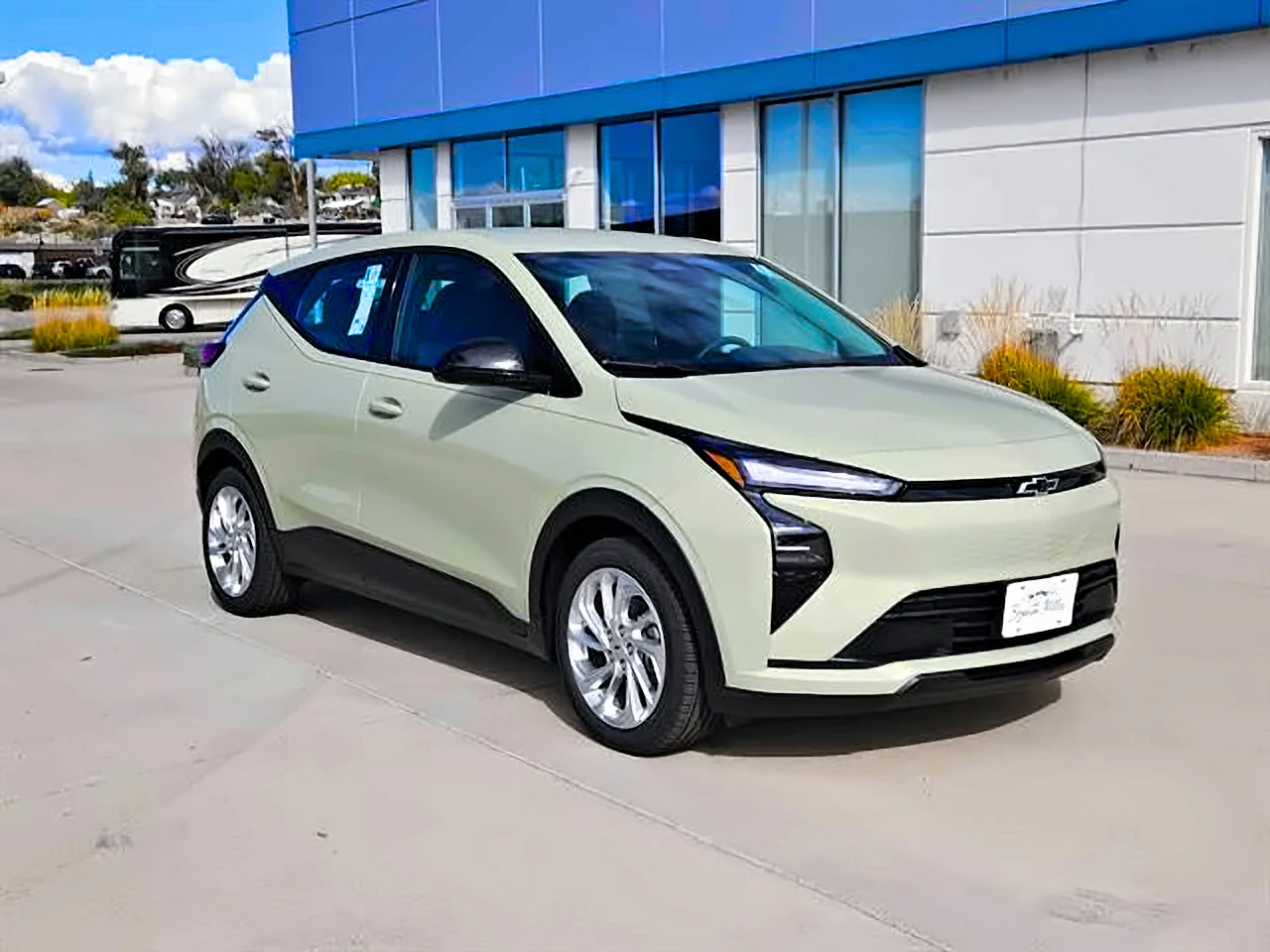
2027 Chevrolet BoltStock #6698LT · Relic Green Metallic
 18 photos
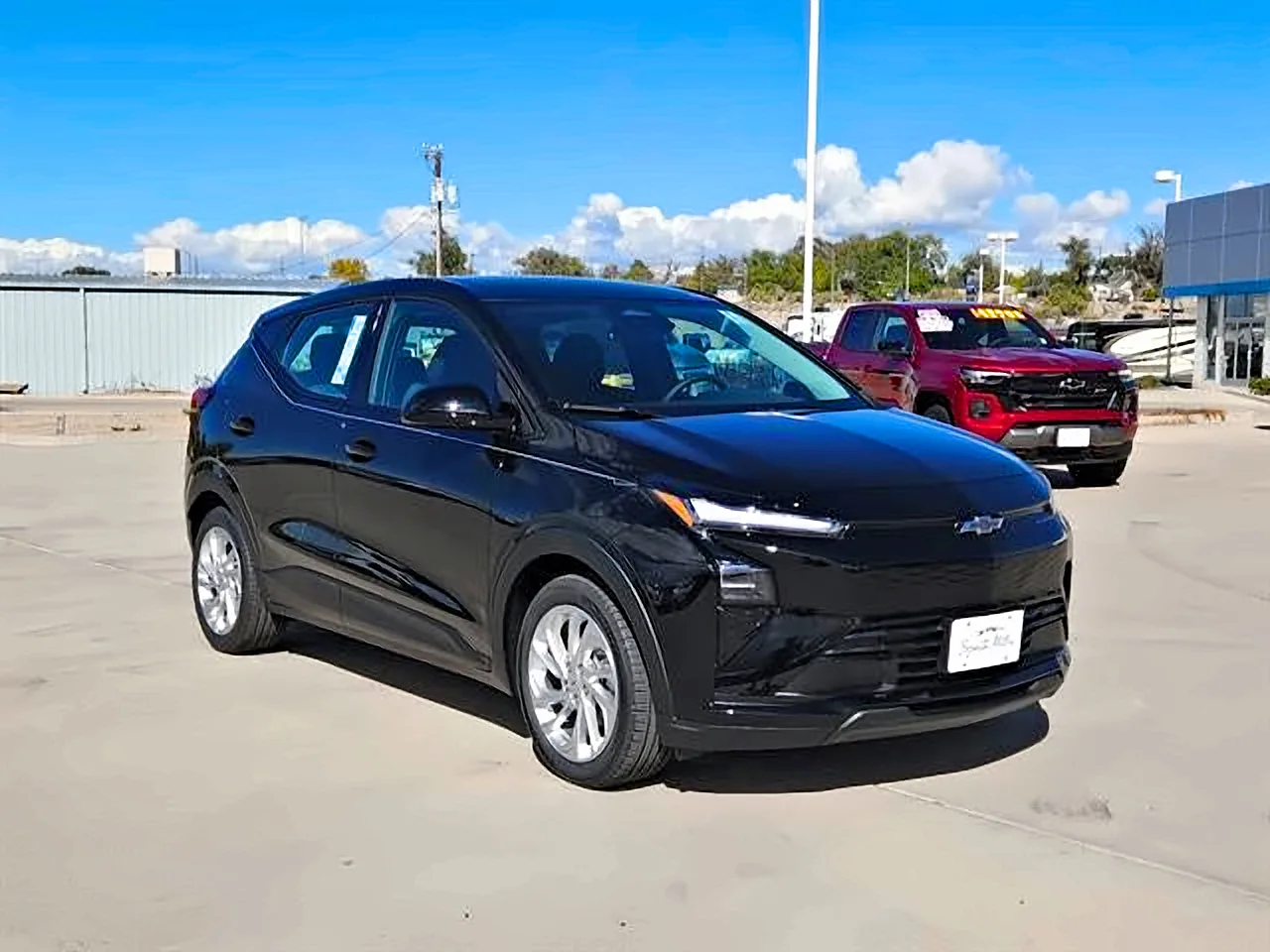
2027 Chevrolet BoltStock #6707LT · Mosaic Black Metallic
 18 photos
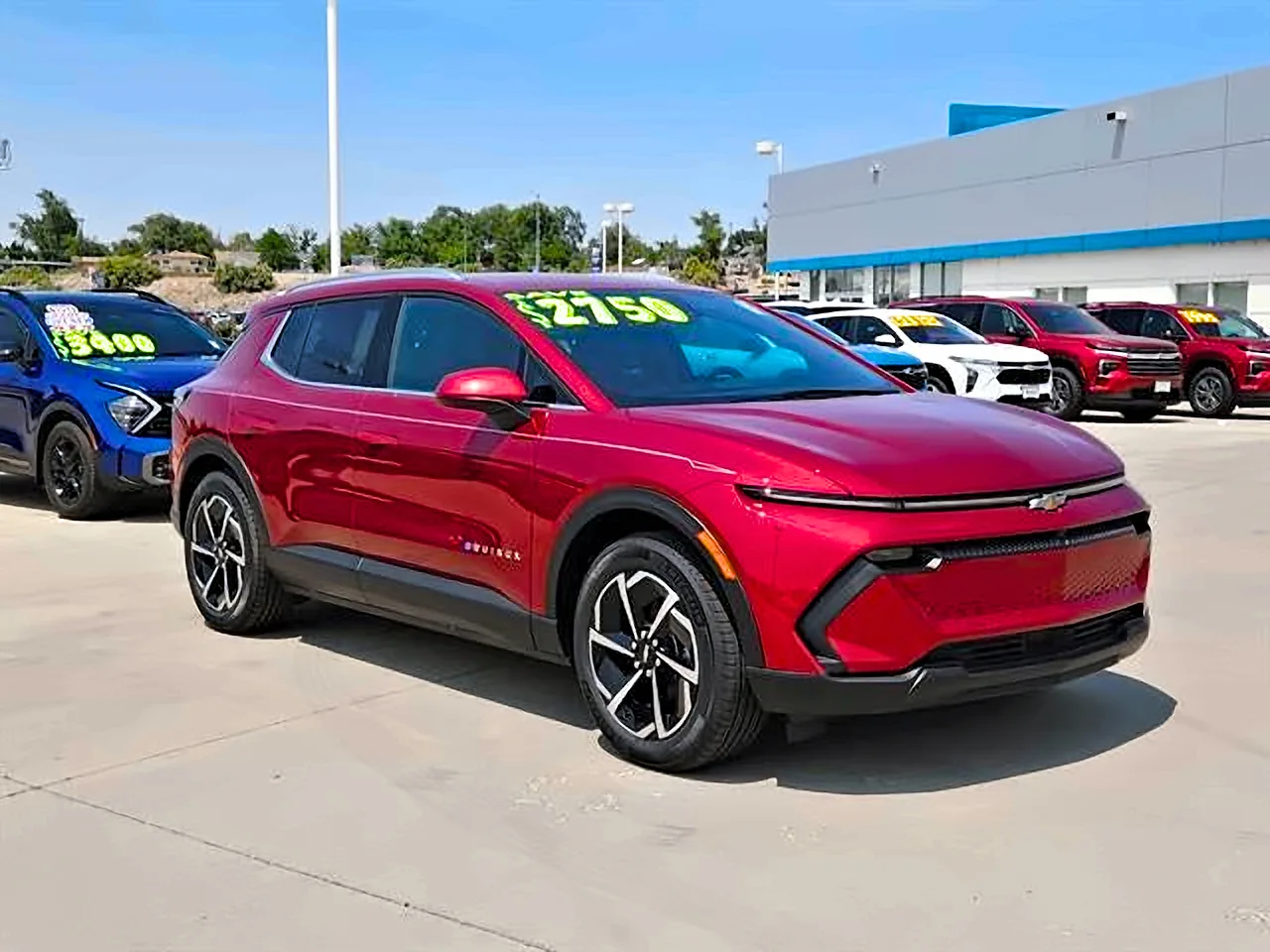
2026 Chevrolet Equinox EVStock #6506LT · Radiant Red Tintcoat
 23 photos
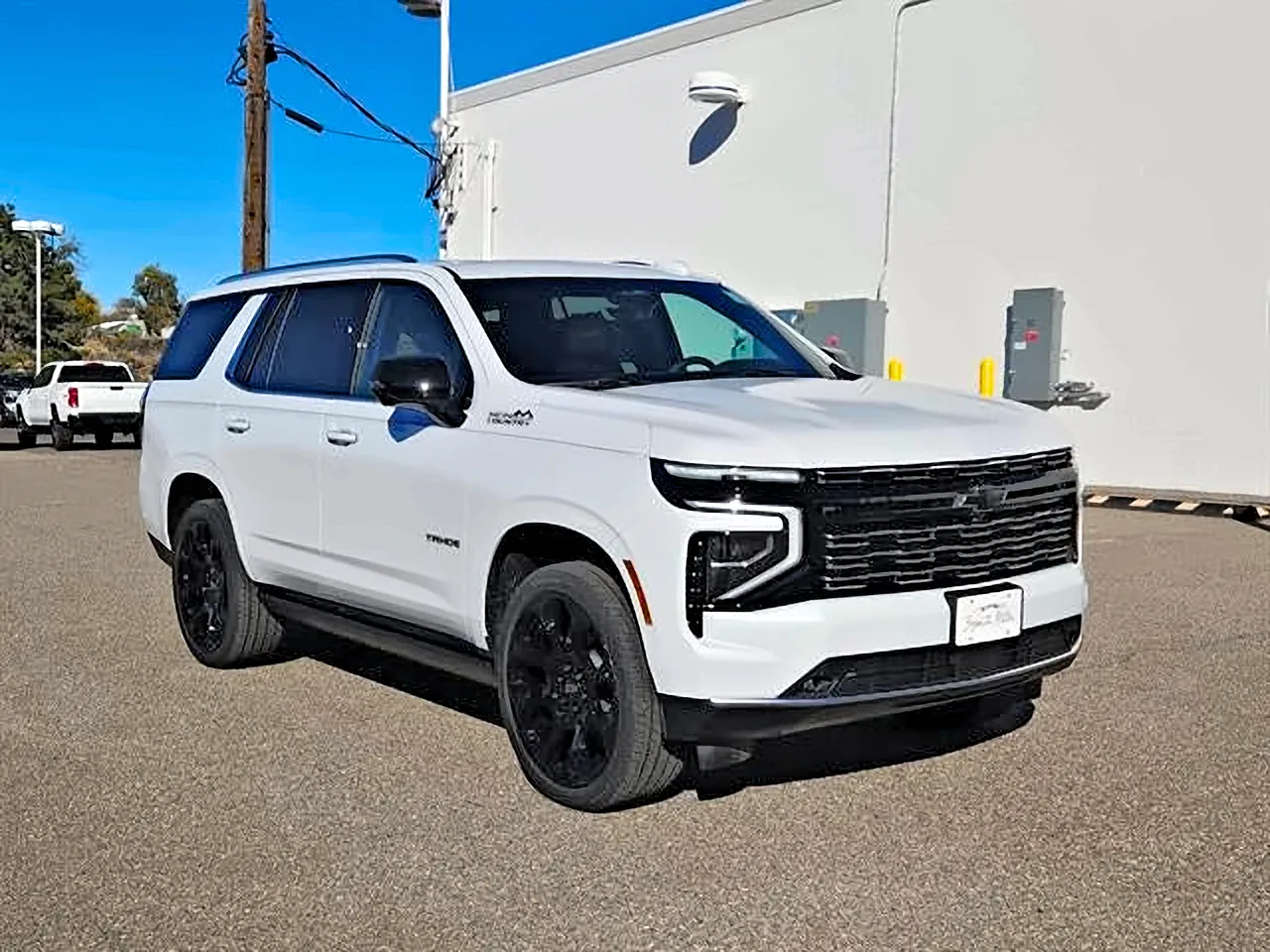
2027 Chevrolet TahoeStock #6716High Country · Polar White Tricoat