Trading in your car: how to get a fair number
A trade-in offer isn't a mystery. Here's how dealers arrive at the number, how to check it yourself, and how to prepare your vehicle and paperwork before you come in.

 Reviewed and published by Austin Lewis and Joel SoriaLicensed salespeople in Grand Junction
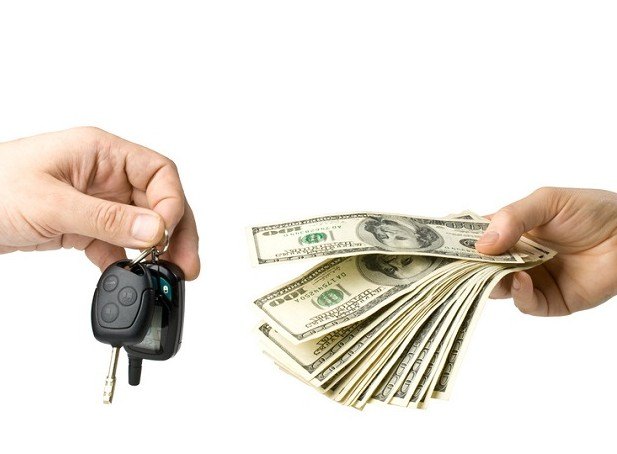
Most people dread the trade-in part of buying a car. The number can feel like it came out of nowhere. It didn't. There's a method behind it, and once you know it, you can check the number yourself.
How a trade-in number is built
A dealer's offer is roughly what the vehicle would sell for at retail, minus what it costs to get it ready to sell, minus some room for the time it sits before it sells.
The cost of getting it ready can include:
- Tires and brakes that are near the end of their life
- Paint, dent or windshield repairs
- Detailing and any needed mechanical work
- Inspection time
Dealers also look at wholesale auction data and what's actually selling in our area. That's why a trade-in offer is lower than the price you'd see on a similar vehicle listed for sale. The gap is the cost and risk of reselling it, not a trick.
Local demand matters too. Trucks and SUVs with 4WD get a lot of attention on the Western Slope, especially from people who deal with the Grand Mesa in winter or tow a camper or boat. Your vehicle's value depends partly on who around here wants it.
Know your range before you walk in
A little homework goes a long way. Here's what we'd do:
- Use two or three online value tools. They're estimates, not offers, and they only know the condition you pick. Be honest with yourself on that dropdown.
- Look at local listings. Find vehicles with the same year, trim, drivetrain and similar mileage. Those are asking prices, not sale prices, but they show you the retail market.
Then you have a range, not a single hopeful figure. If an offer lands inside that range, it's probably reasonable. If it's well below, ask how it was figured. A good appraiser can walk you through it.
Get the vehicle and paperwork ready
A clean vehicle is easier to appraise and tends to make a better first impression. Vacuum it, clear out the cab, wash it, and wipe down the dash. Orchard dust, ranch mud and trail grit hide a lot of condition, so cleaning lets the appraiser see what's really there.
Big repairs rarely pay back before a trade, so don't fix a major problem just for the appraisal. Small things, like a burned-out bulb or low fluids, are worth taking care of.
Bring what you have:
- Title, or the lender's information if you still owe money
- Current registration and your driver's license
- Every key and fob you own
- Service records and receipts for things like tires or a new battery
- The owner's manual
Joel's tip: tell the appraiser about any warning lights or known issues up front. They'll find them anyway, and being straightforward keeps the conversation simple.
If you still owe money on it
Your trade-in doesn't need to be paid off first. Call your lender and ask for a payoff amount, which is the exact figure needed to close the loan on a given day. It's slightly different from the balance on your statement because of interest.
Then compare the payoff to your vehicle's value:
- Value is higher than the payoff: the difference is equity, and it can go toward your next vehicle.
- Value is lower than the payoff: that's negative equity. It can often be rolled into a new loan, but that raises the amount you finance, so look at the full picture first.
If you're not sure where you stand, ask me for help working it out. Current numbers change, so we'd rather run them with you than guess in an article.
Keep the numbers separate
A trade-in deal has at least three moving parts: what your vehicle is worth, the price of the one you're buying, and how you're paying for it. When they get blended into a single monthly figure, it's hard to tell whether any one piece is fair.
Ask to see each number on its own. Know your trade range, know the vehicle's price, and then look at financing. If one of those doesn't make sense, you'll be able to point to it.
Selling it yourself is another option. It can bring more money, but it also means handling listings, test drives, paperwork and strangers calling at dinnertime. Some people enjoy that. Many would rather make one stop. Either choice is reasonable.
If you're also thinking about what to drive next, you can browse our used cars, trucks and SUVs or check the FAQ for common questions.
If you'd like a second opinion on a trade-in number, or just want to talk it through, reach out or stop by our lot. No pressure either way.
On our lot right now
Vehicles we have today that fit this.
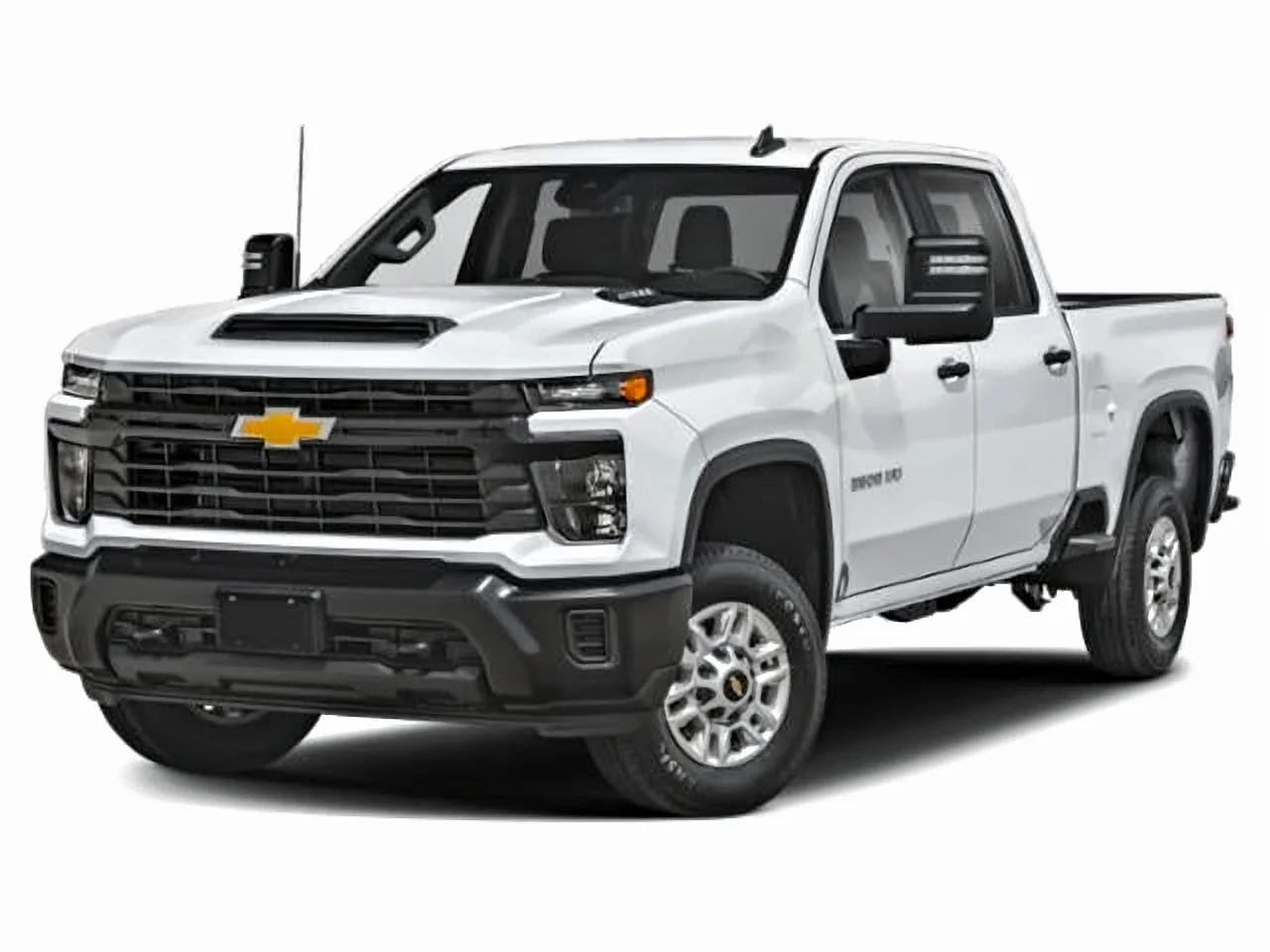
2026 Chevrolet Silverado 2500 HDStock #6776WT · Summit White
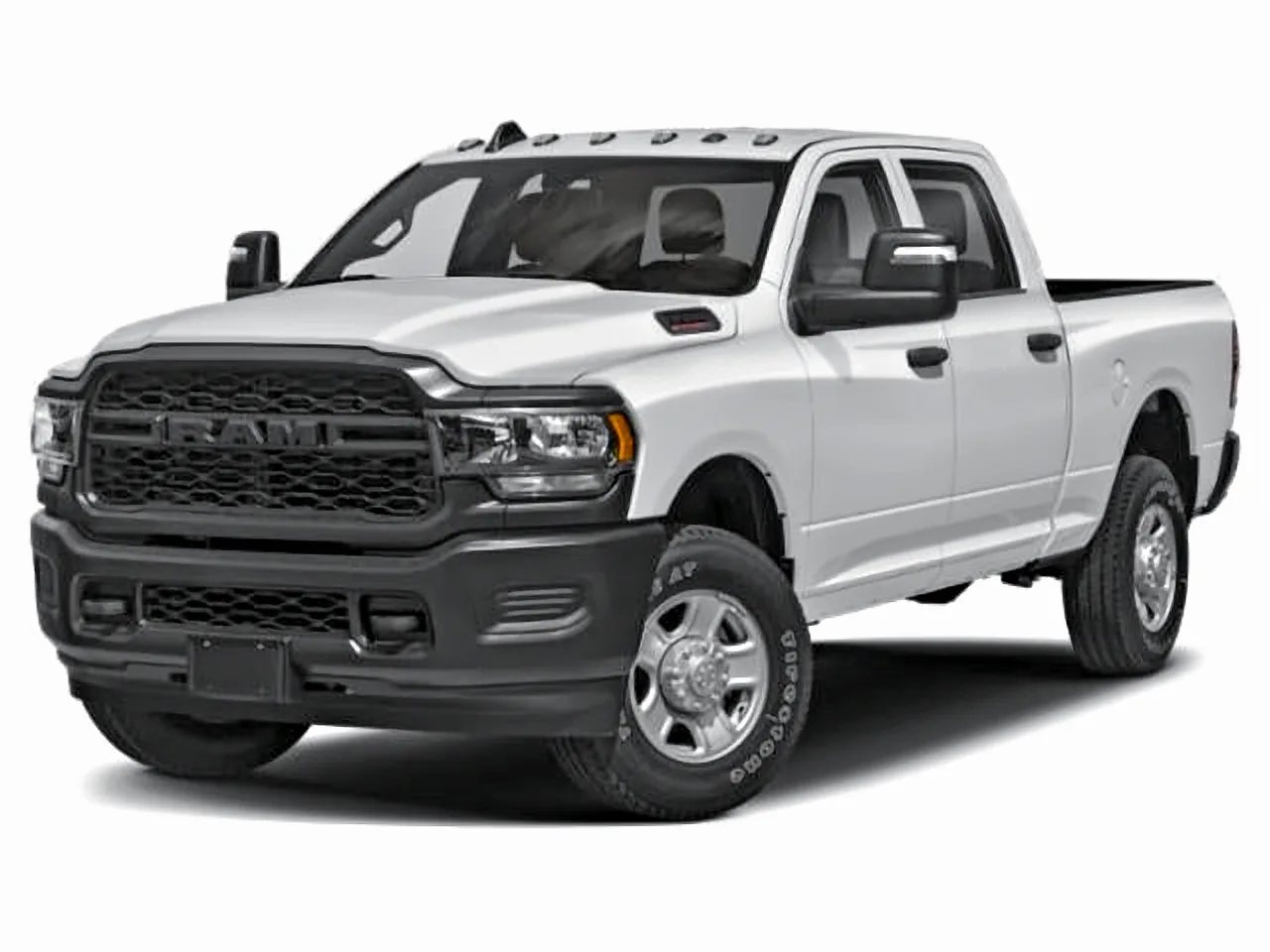
2023 RAM 3500Stock #49365Tradesman · Bright White Clea
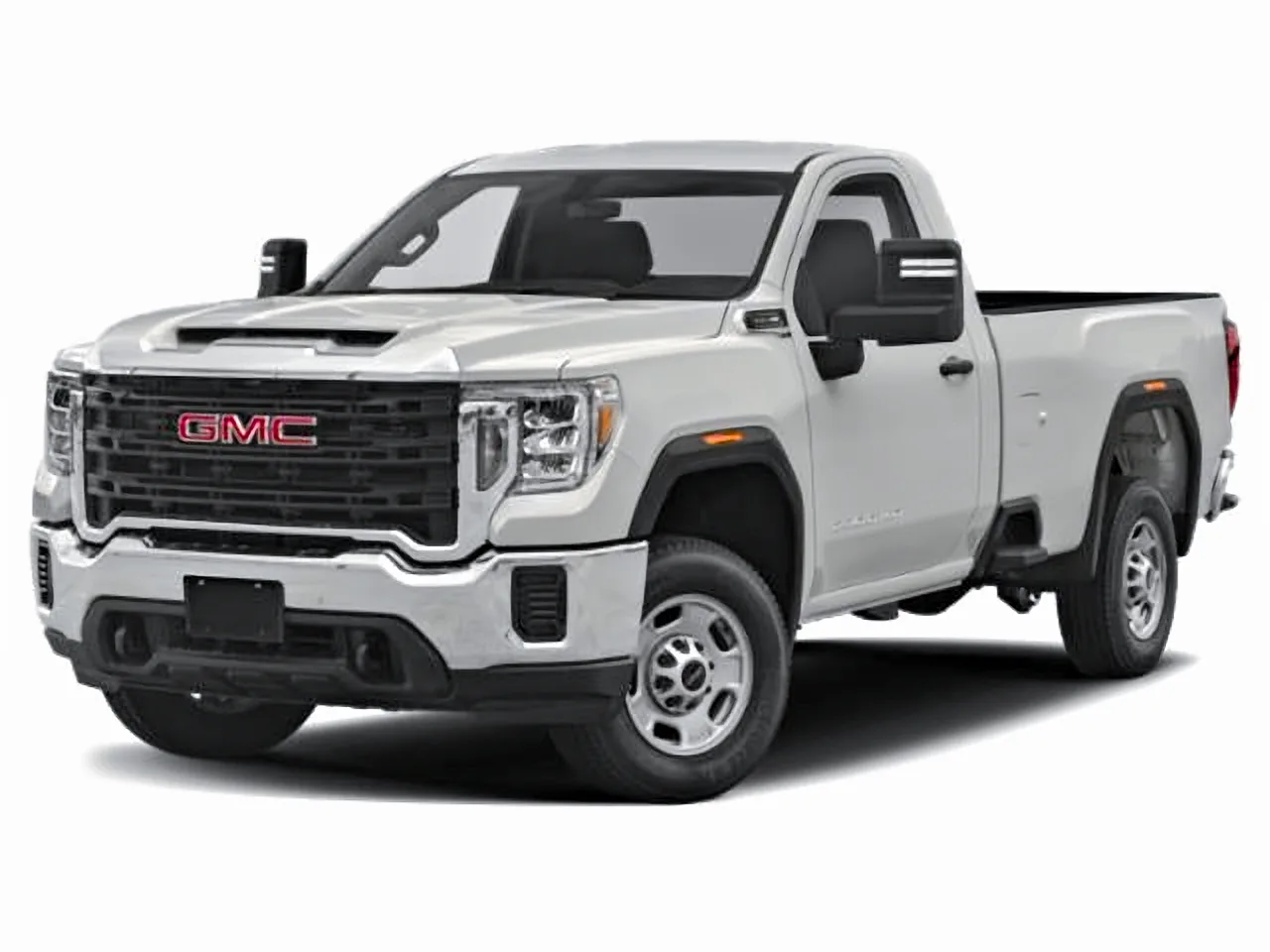 15 photos
2021 GMC Sierra 2500 HDStock #49358Base · Summit White
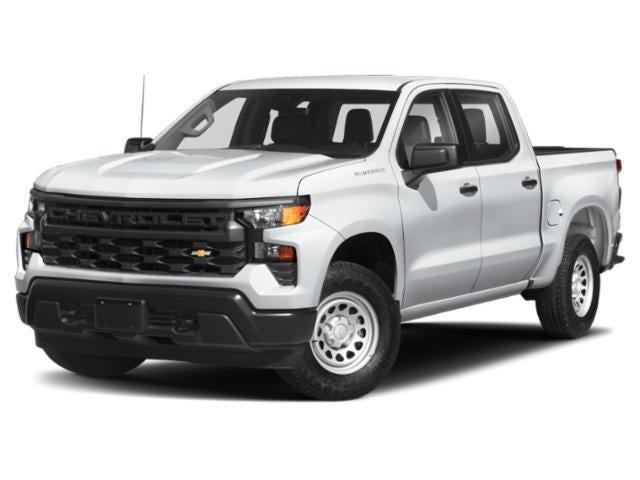 16 photos
2024 Chevrolet Silverado 1500Stock #49425Custom Trail Boss · Sterling Gray Metallic
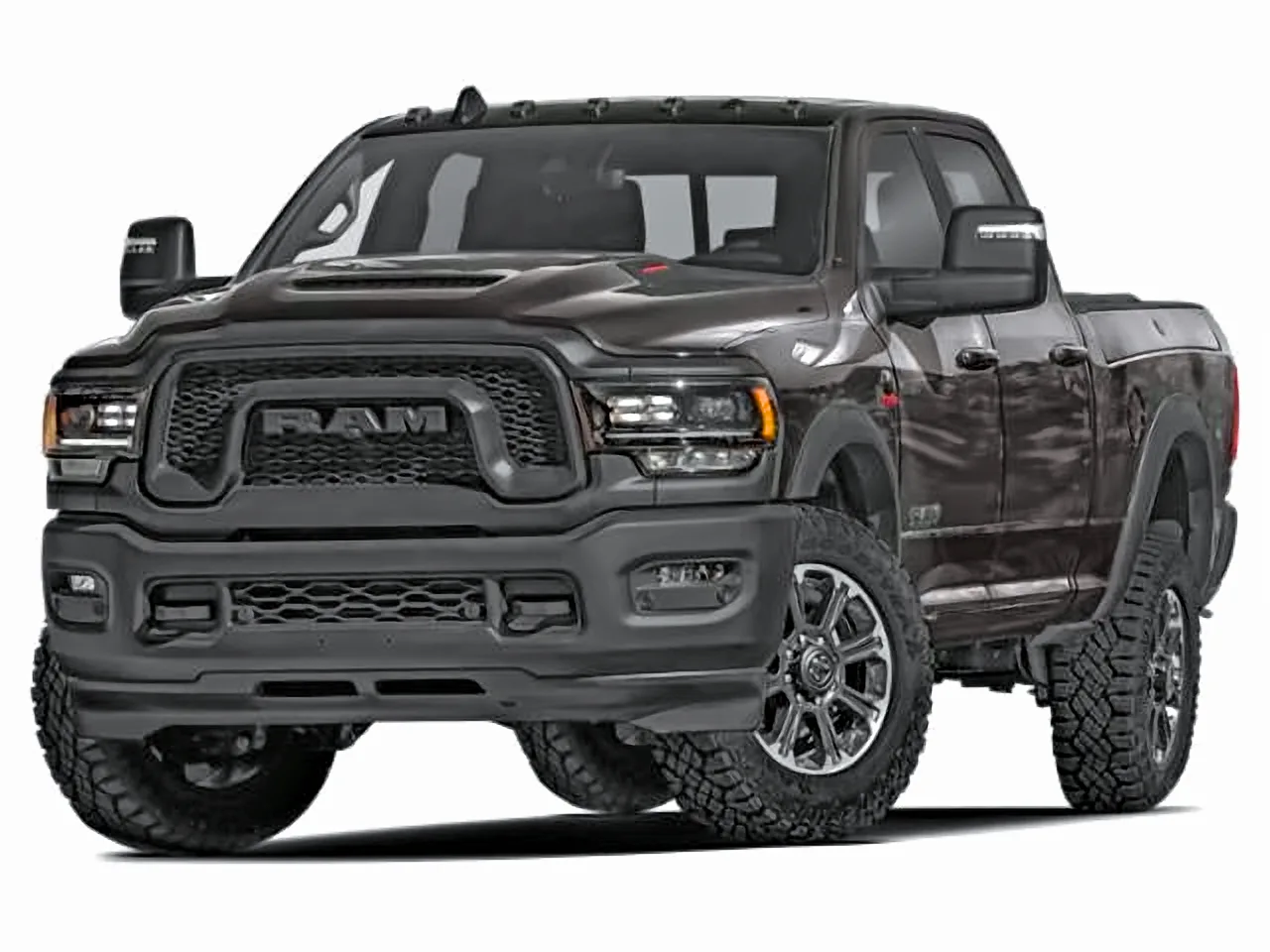
2024 RAM 2500Stock #49450Tradesman · Bright White Clearcoat
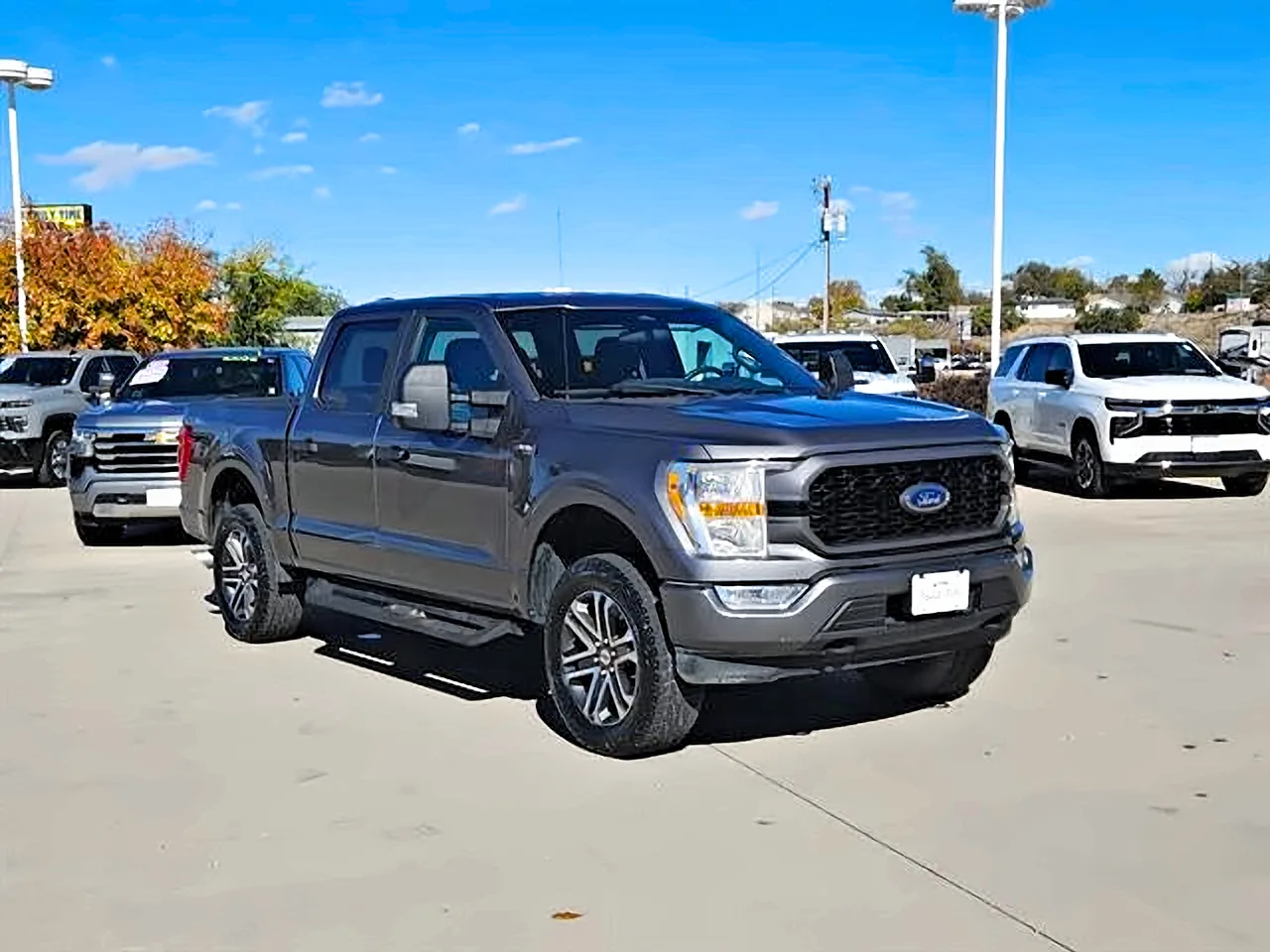
2021 Ford F-150Stock #49017XL · Carbonized Gray M
Standout Deal
- $4,900 below 2 other Ford F-150 XLs around the valley
- Their prices vary a lot, so this is a rough comparison