4WD vs AWD on the Western Slope: What You Actually Need for Grand Mesa and I-70 Winters
AWD or 4WD? Here's a plain-spoken look at how each works, what winter driving on the Grand Mesa and I-70 really asks of a vehicle, and why tires matter as much as the drivetrain.

 Reviewed and published by Austin Lewis and Joel SoriaLicensed salespeople in Grand Junction
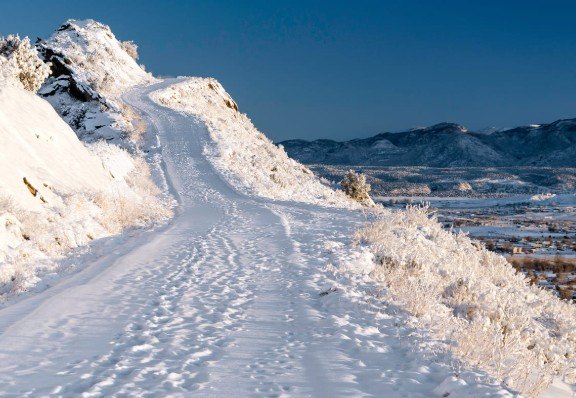
I get this question almost every fall: "Do I need 4WD, or is AWD enough?" The honest answer is that it depends on where you drive, what you tow, and how much snow you plan to meet. Here's how I explain it to neighbors from Fruita to Montrose.
The basic difference
AWD (all-wheel drive) works on its own. The vehicle sends power to whichever wheels have grip, and you don't have to do anything. It's common on crossovers, SUVs, and some cars, and it's great for snowy or icy pavement and slick side streets.
4WD (four-wheel drive) is usually something you choose. You press a button or move a lever to lock in power to the front and rear wheels. Many 4WD trucks and SUVs also offer a low range (often called 4-Lo) for slow, high-pull situations like steep, unplowed, or deeply rutted roads. Some systems have an automatic mode, and some are meant for slippery surfaces only. Your owner's manual will say which you have, so please read that part.
In short: AWD is easy and automatic, and 4WD is tougher and more flexible.
Tires matter more than you'd think
This is the part people skip. AWD and 4WD help you get going and keep moving. They don't help you stop or turn any better. Your tires do that.
A two-wheel-drive vehicle with good winter tires can outperform an AWD vehicle on worn all-seasons. If you're heading over the Grand Mesa or through the canyons on I-70, here's what I'd put first:
- Good tires with plenty of tread, whatever you drive
- Winter tires, or all-weather tires with the mountain-snowflake symbol, if you cross the mountains regularly
- Slowing down and leaving extra room, since no drivetrain changes the physics of braking on ice
- Checking CDOT's COtrip for current road conditions and any restrictions before you leave
What the Western Slope actually asks of a vehicle
A lot of us live in the valley, where winter is milder than people expect. If most of your driving is around Grand Junction, Fruita, Palisade, Delta, or Montrose, with an occasional snowy morning, you may not need much more than a front-wheel-drive vehicle and good tires. AWD adds some confidence and is a reasonable upgrade, but it isn't mandatory for everyone.
Things change when you head up:
- Grand Mesa: Skiing, snowmobiling, hunting, or fishing trips can mean packed snow, ice, and unplowed forest roads. AWD with good tires handles plowed highways well. If you're getting onto Forest Service roads or pulling a sled trailer, 4WD starts to make sense.
- I-70 and the passes: Long grades, canyon shade, and sudden storms are the challenge, along with other traffic. AWD helps, but tires and driving habits matter most.
- Ranch, orchard, and farm roads: Mud, ruts, and steep two-tracks are where 4WD, especially with low range and more ground clearance, earns its keep.
When I lean toward 4WD
- You tow a camper, horse trailer, or boat, especially on slippery ramps or steep grades
- You regularly drive unpaved or unmaintained roads in winter
- You want low range for slow, technical, or heavy-load situations
- You work out of a truck and can't wait for the plow
If that sounds like you, take a look at Trucks for Sale, Used Trucks for Sale, or Heavy-Duty Trucks for Sale (2500 & 3500). For heavy towing, Diesel Trucks for Sale is worth a browse too. Just check the vehicle's tow rating against your trailer's weight, because 4WD alone doesn't tell you what it can safely pull.
When I lean toward AWD
- You commute mostly on paved roads and want help with snow and ice
- You make occasional trips up the Mesa or over the passes
- You want something simple that works without thinking about it
- You'd like a comfortable daily driver with a little extra winter confidence
That's where many SUVs for Sale and some Cars and Sedans for Sale fit nicely.
A few practical notes
- Ground clearance matters in deep snow no matter which system you have.
- Fuel economy is usually a bit lower with 4WD or AWD, and the difference varies by vehicle.
- Budget: Drivetrain options can change the price, and the amount varies by model and trim. Ask me for current numbers. If you're working to a budget, you can start with Cars and Trucks Under $20,000 or Cars and Trucks Under $30,000, or look through Used Cars, Trucks & SUVs for Sale and New Cars, Trucks & SUVs for Sale.
- Used vehicles: Check the tires and ask how the vehicle was used. A 4WD truck that's been worked hard is different from one that's been mostly commuting.
The bottom line
Pick the drivetrain for the roads you actually drive, not the worst storm you can imagine. Most valley drivers do well with AWD and good tires. If you tow, work off-pavement, or head up the Mesa often, 4WD is worth a close look. Either way, spend on tires.
If you'd like to talk through your own situation, send me a message or stop by and we can look at a few options together. You can also browse every vehicle or check the FAQ first.
On our lot right now
Vehicles we have today that fit this.
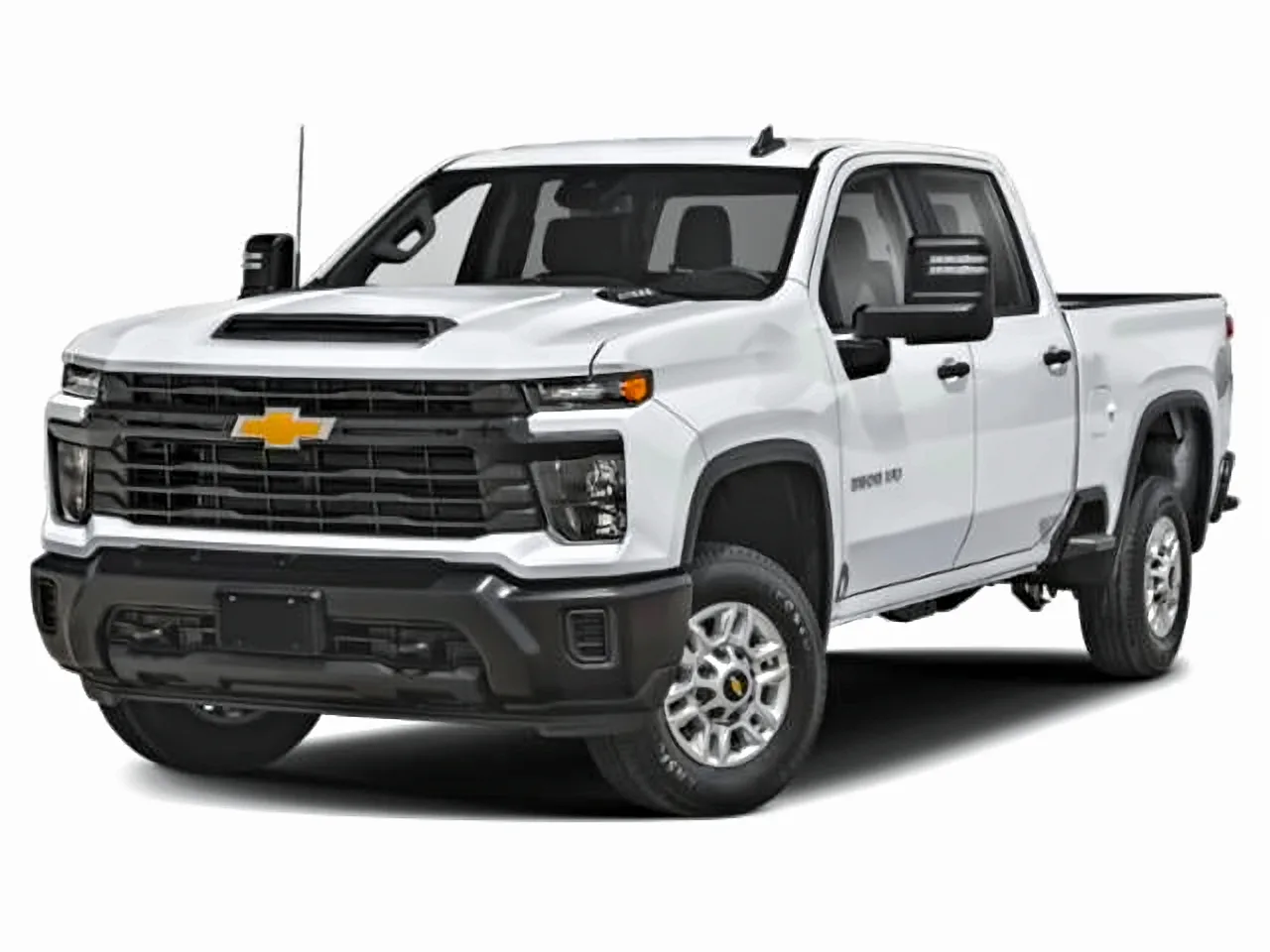
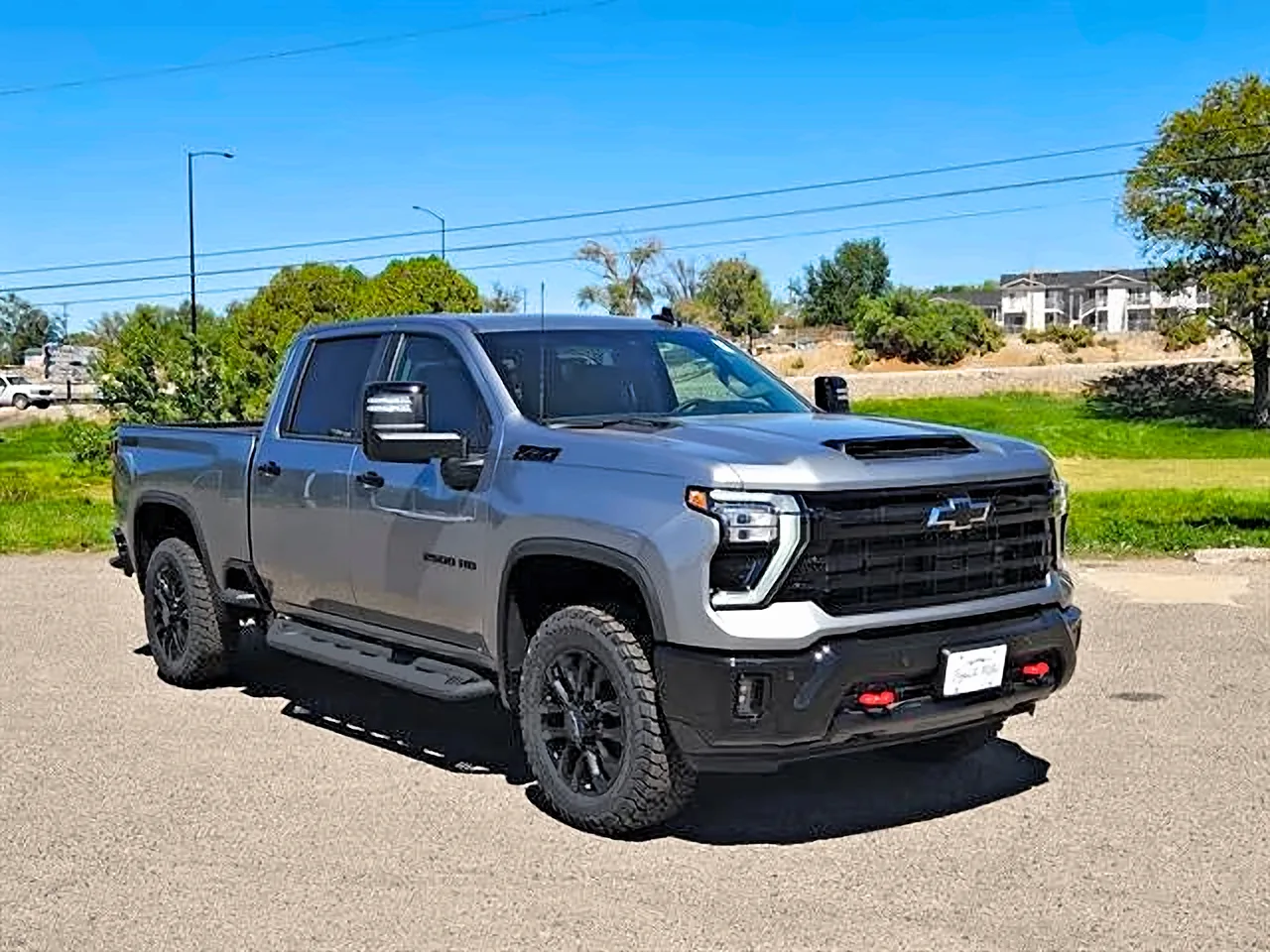
2026 Chevrolet Silverado 2500 HDStock #6761ZR2 · White Sands
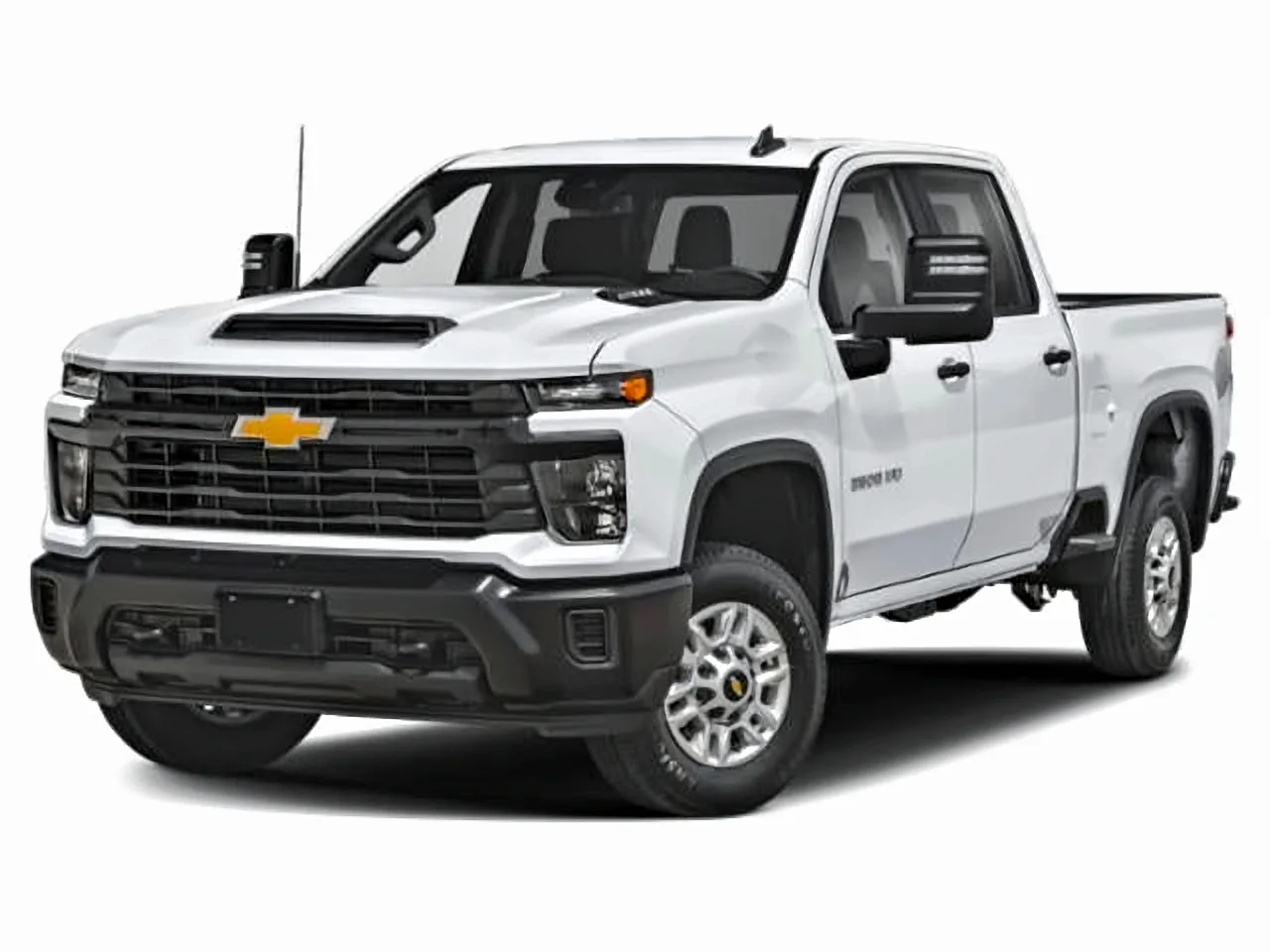
2026 Chevrolet Silverado 2500 HDStock #6830ZR2 · White Sands
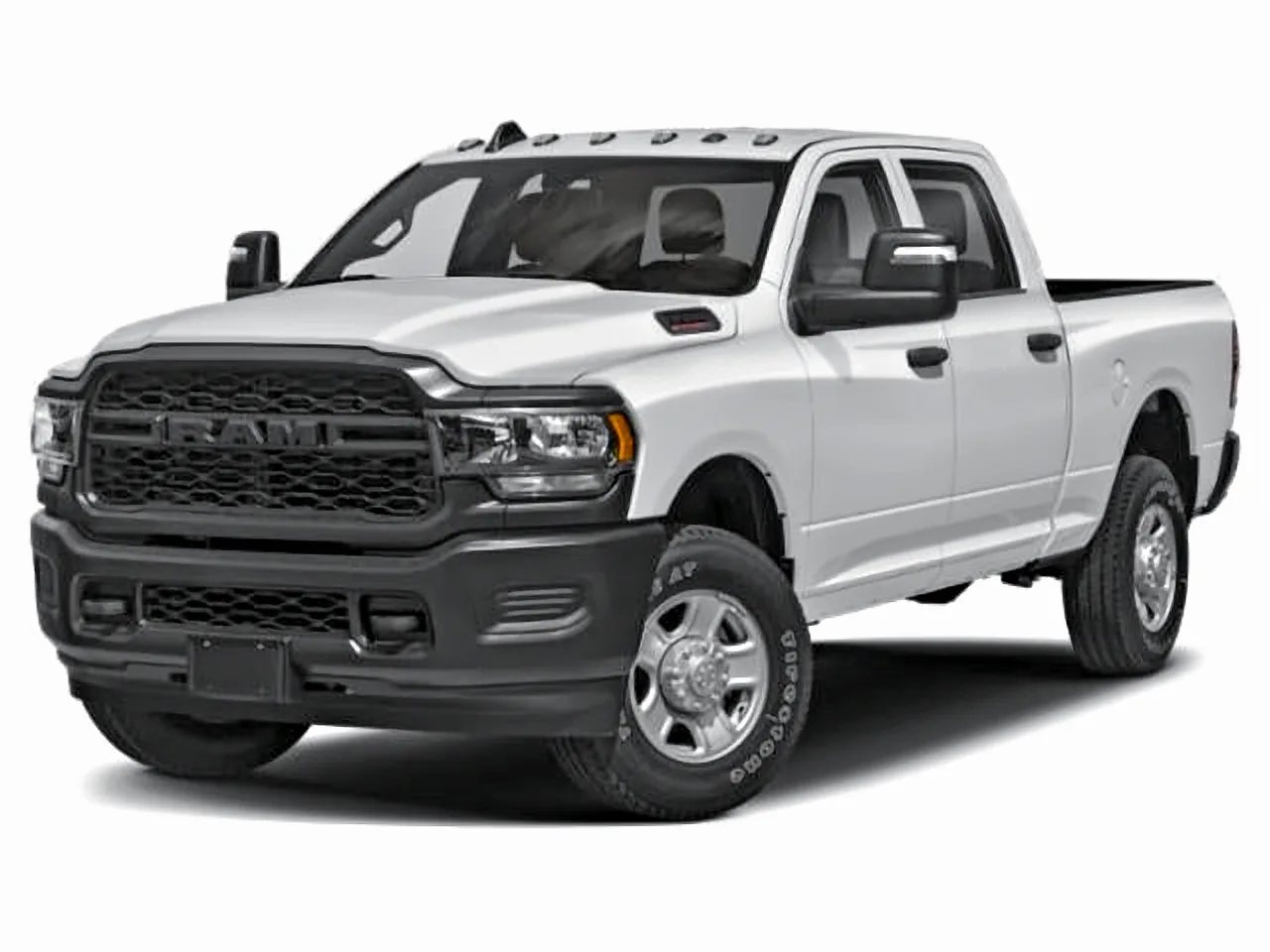
2023 RAM 3500Stock #49365Tradesman · Bright White Clea
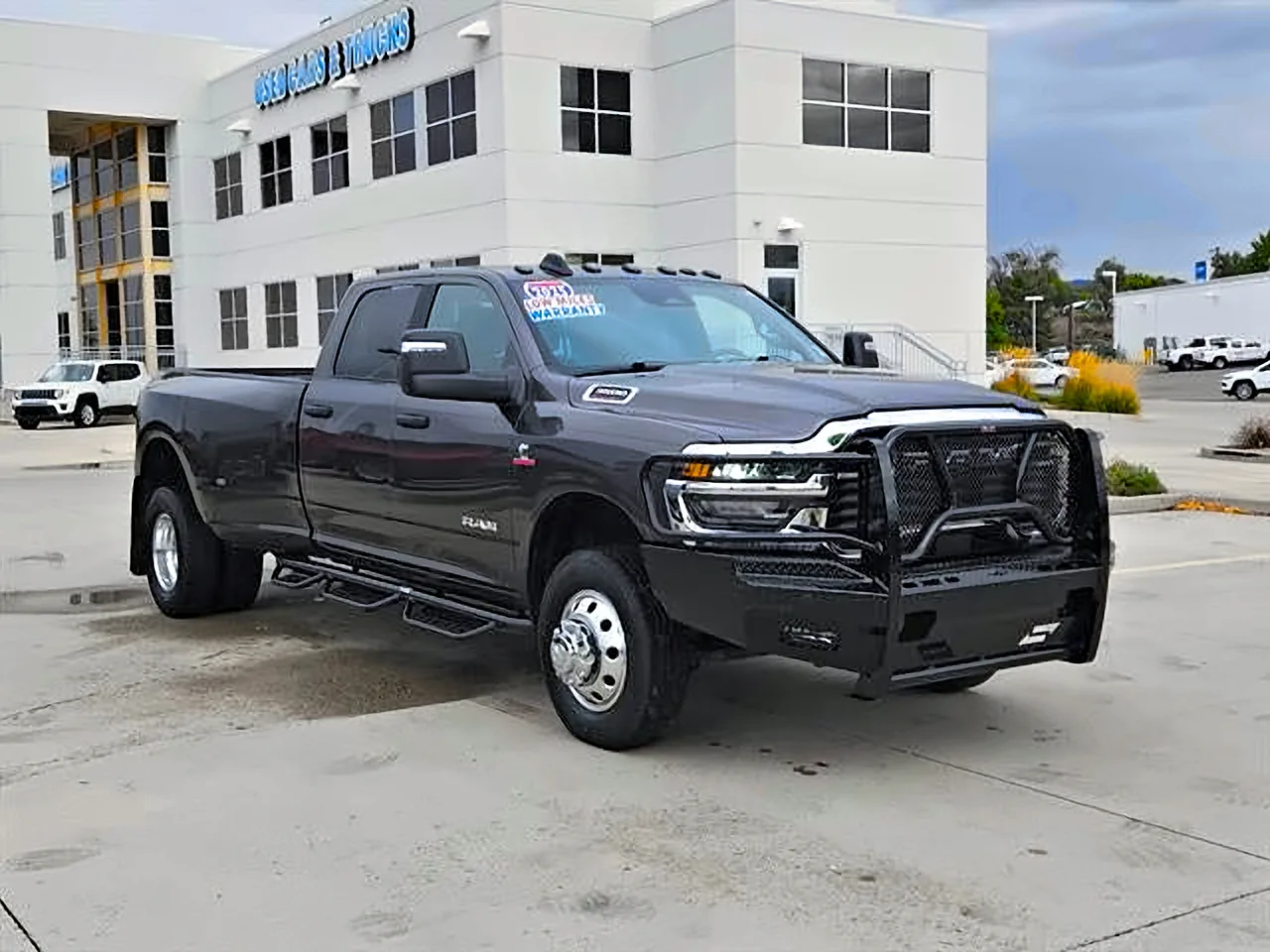 29 photos
2025 RAM 3500Stock #48784Lone Star · Granite Crystal M
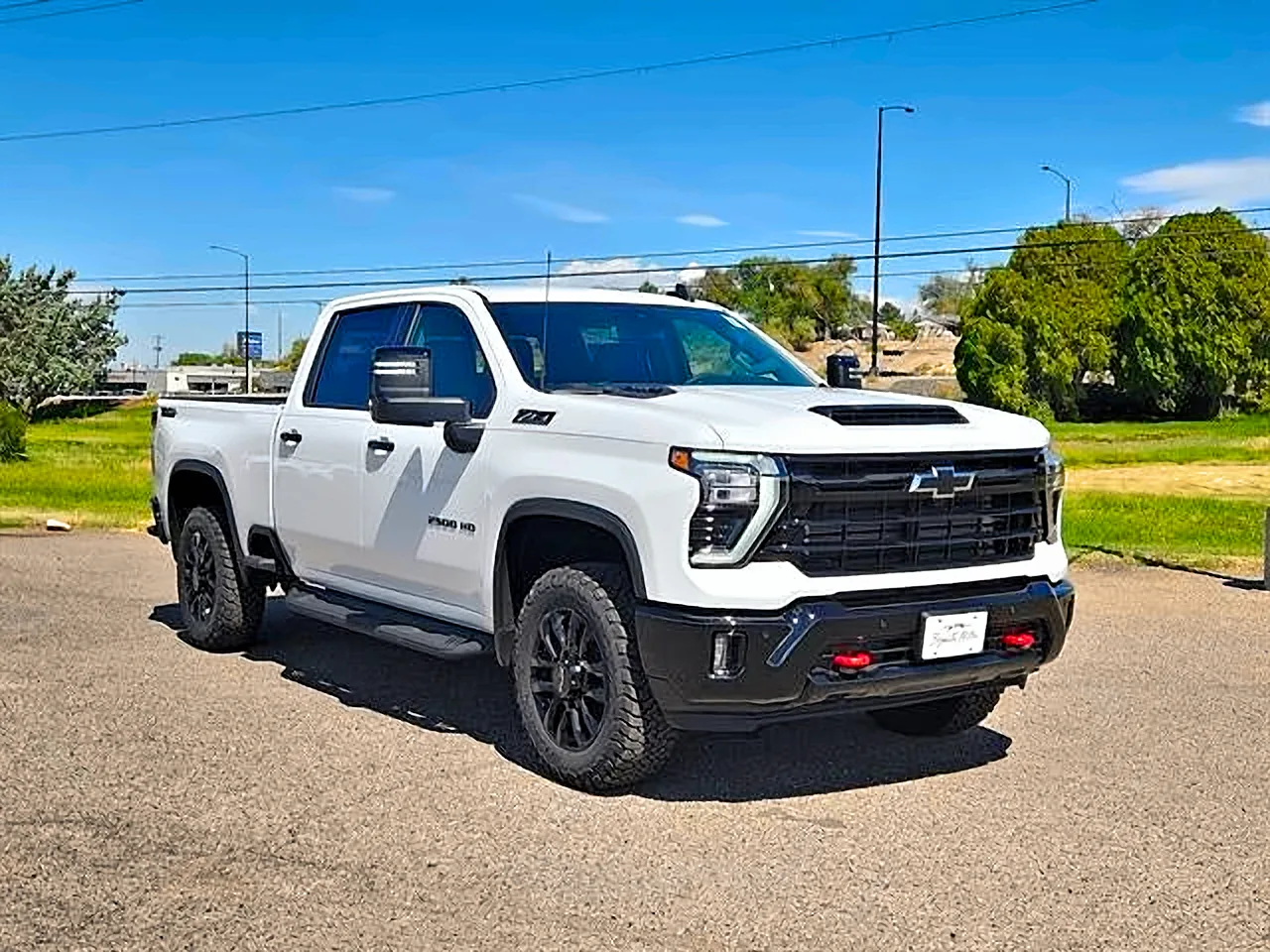 23 photos
2026 Chevrolet Silverado 2500 HDStock #6612LT · Summit White
 23 photos